Automatic transmissions have made driving more convenient by eliminating the need for manual gear shifting, but what allows them to function so efficiently? The key component responsible for this seamless operation is the torque converter. Unlike manual transmissions, which rely on a clutch to engage and disengage power from the engine to the transmission, automatic transmissions use a torque converter to manage this process automatically. But why do automatic transmissions need torque converters, and how do they work?
What Does a Torque Converter Do
A torque converter is essentially a fluid coupling that connects the engine to the transmission. Its main job is to transfer power from the engine to the transmission while allowing the car to remain stationary when idling. Without a torque converter, an automatic vehicle would stall every time it came to a stop.
Unlike a manual transmission, where the driver disengages power using a clutch, the torque converter automatically adjusts power flow using hydraulic fluid. This process enables a smoother and more controlled transition of power, preventing abrupt starts and stops.
How a Torque Converter Works
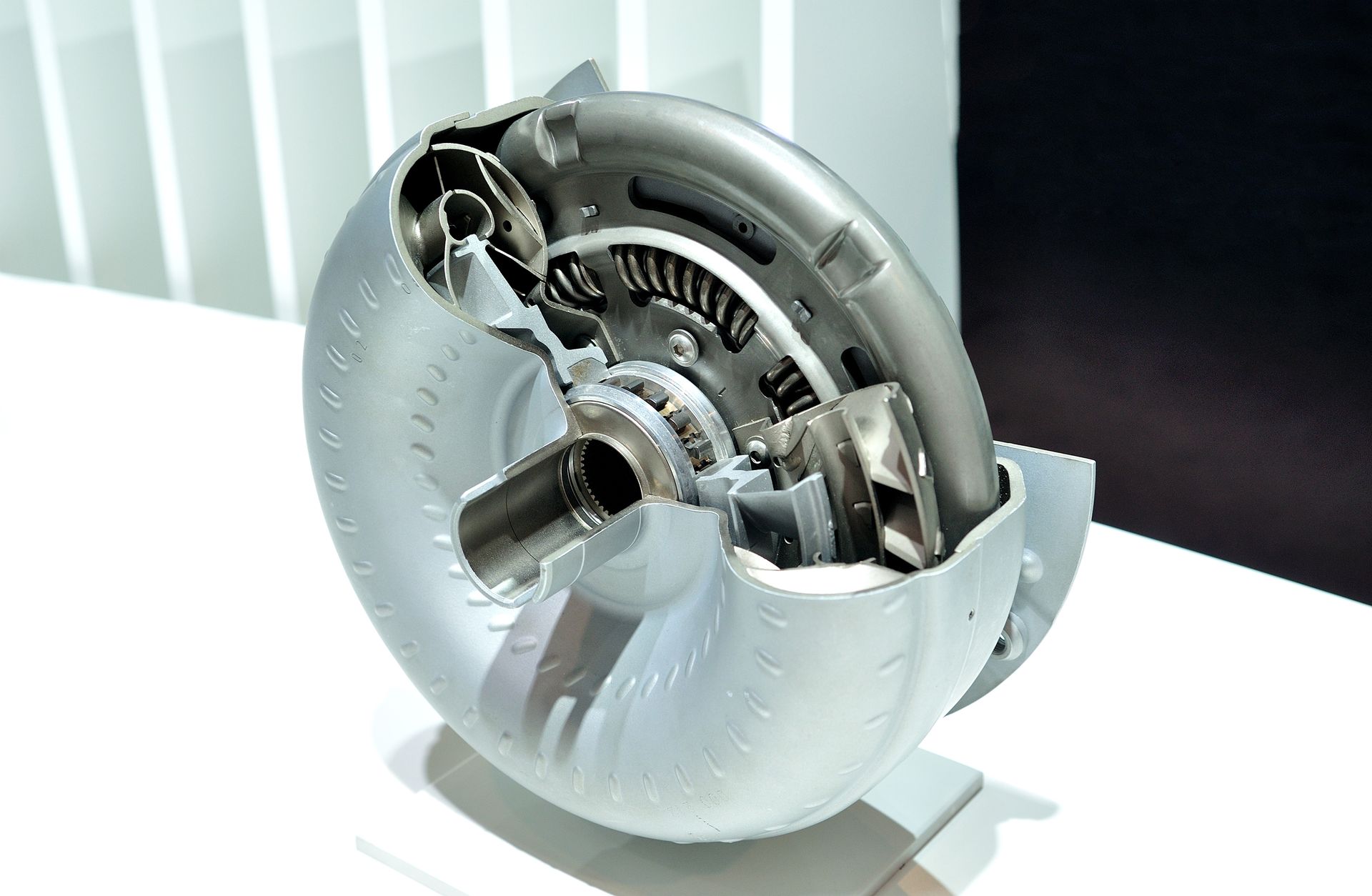
A torque converter consists of several key components:
- Pump – Attached to the engine’s crankshaft, the pump spins as the engine runs, creating fluid pressure.
- Turbine – Connected to the transmission, the turbine receives the fluid from the pump, transferring rotational energy.
- Stator – This component redirects the transmission fluid to improve efficiency and maximize torque delivery.
- Transmission Fluid – Hydraulic fluid inside the torque converter facilitates energy transfer between the engine and transmission.
When you press the gas pedal, the engine spins the torque converter’s pump, moving transmission fluid through the system. The fluid turns the turbine, which sends power to the transmission and ultimately to the wheels. The stator enhances this process by redirecting fluid flow to maximize efficiency.
Why Do Automatic Transmissions Need Torque Converters
Torque converters provide several advantages that make them essential for automatic transmissions.
- Smooth Power Transfer – Since there’s no clutch pedal, the torque converter allows a seamless flow of power, preventing sudden jolts during acceleration and deceleration.
- Prevents Stalling – Without a torque converter, an automatic vehicle would shut off every time it came to a stop. The converter keeps the engine running while the car is idle.
- Multiplies Torque – At low speeds, the torque converter temporarily increases torque, giving the vehicle more power when accelerating from a stop.
- Absorbs Shock – The hydraulic nature of a torque converter helps absorb vibrations and prevent excessive strain on the transmission.
Signs of a Failing Torque Converter
Although torque converters are built to last, they can wear out over time due to heat, friction, and contaminated transmission fluid. If your torque converter starts to fail, you may notice:
- Slipping Gears – If the transmission struggles to stay in gear or shifts unpredictably, the torque converter may not be providing proper fluid pressure.
- Shuddering or Jerking – A failing torque converter can cause noticeable vibrations, especially when accelerating.
- Overheating Transmission – Poor fluid circulation can lead to excessive heat buildup, which can damage internal components.
- Delayed Engagement – If there’s a lag when shifting from Park to Drive, it may indicate an issue with the torque converter.
Ignoring these symptoms can lead to severe transmission damage, resulting in costly repairs or even a complete transmission failure.
How to Maintain Your Torque Converter and Transmission
To keep your torque converter and transmission in optimal condition, follow these maintenance tips:
- Check Transmission Fluid Regularly – Contaminated or low transmission fluid can lead to torque converter issues. Make sure to use the correct type of fluid recommended for your vehicle.
- Follow the Manufacturer’s Service Schedule – Regular transmission fluid changes help prevent buildup and keep the torque converter functioning properly.
- Avoid Excessive Heat – Prolonged stop-and-go driving and towing heavy loads can put extra strain on the torque converter. Letting the transmission overheat can accelerate wear and tear.
- Listen for Unusual Noises – Grinding or whining sounds may indicate a failing torque converter and should be checked immediately.
If you suspect torque converter problems, it’s important to have your vehicle inspected by a professional. Addressing issues early can prevent extensive transmission damage and costly repairs.
Experiencing transmission slipping or unusual vibrations? These could be signs of a failing torque converter. Visit Stang Auto Tech in Broomfield, CO, for a complete transmission inspection and ensure your vehicle stays in peak condition!