Finding a puddle beneath your car can be worrying, especially when you are not sure what is leaking or how serious it may be. Different automotive fluids have their own colors, textures, smells, and common leak locations, but age, dirt, and road debris can make identification harder than expected.
The safest approach is to note where the fluid appears, how quickly it returns, and whether the vehicle has any warning lights or drivability changes. Fluid color can provide a clue, but a professional inspection is often needed to confirm the source and determine whether the car is safe to drive.
Engine Oil Usually Feels Slick And Looks Brown Or Black
Fresh engine oil is typically amber or light brown, while used oil becomes dark brown or black. It feels slippery between your fingers and may leave a greasy stain that does not evaporate. Oil spots often appear beneath the engine, although airflow can push leaking oil farther back along the underbody.
Common sources include valve cover gaskets, oil pan seals, timing covers, filter housings, drain plugs, and crankshaft seals. A burning smell or light smoke may appear if oil reaches a hot exhaust component. Checking the dipstick can show whether the level is dropping, but adding oil should not replace finding and repairing the leak.
Coolant Often Has A Bright Color And Sweet Smell
Coolant may be green, orange, yellow, blue, pink, or purple depending on the vehicle and fluid type. It usually feels thinner than engine oil and may have a sweet smell. As coolant dries, it can leave a chalky or crusty residue around the leak.
Common leak areas include radiator seams, hoses, plastic fittings, the water pump, thermostat housing, expansion tank, and heater connections. A low coolant warning, poor cabin heat, steam, or rising engine temperature makes the concern more urgent. Never remove the coolant cap while the engine is hot because the system may be under pressure.
Transmission Fluid Can Be Red, Brown, Or Nearly Black
Fresh automatic transmission fluid is often red or reddish pink, although some vehicles use fluid with a different color. As it ages, it may turn brown or dark brown. It feels oily and may have a sharp petroleum smell. Burnt fluid can smell harsh and may indicate excessive heat or internal wear.
Transmission leaks commonly develop around the pan gasket, cooler lines, axle seals, output shaft seals, case connectors, or fill and drain plugs. The puddle often appears near the middle or front portion of the vehicle, depending on the drivetrain layout. Low fluid can lead to delayed engagement, harsh shifting, slipping, or overheating.
Where The Puddle Appears Can Help Narrow It Down
The location of the spot beneath the vehicle can provide useful direction. Engine oil and coolant often appear near the front, while transmission fluid may collect slightly farther back. Rear differential fluid usually appears near the axle, and power steering fluid may leak beneath the front of the engine compartment.
The drip point is not always directly below the failed part. Fluids can travel along covers, crossmembers, hoses, and splash shields before reaching the ground. Airflow while driving may also spread the leak across the underbody. An inspection on a lift helps trace fresh fluid back to its highest wet point.
Use A Clean Surface To Compare The Fluid
If the leak is small, park the car over clean cardboard overnight. The cardboard makes it easier to see the color, size, and location of the spot. Mark where the front and sides of the vehicle sit so the puddle can be compared with the engine, transmission, and cooling system position.
Avoid crawling beneath a vehicle supported only by a jack. You can safely inspect the ground, check fluid reservoirs, and look beneath the hood for obvious wet areas. Useful observations include:
- The color and thickness of the fluid
- The size of the puddle
- Whether it appears after driving or while parked
- Any unusual odor
- Recent warning lights or temperature changes
- Changes in shifting, steering, or engine noise
These details can help a technician begin testing in the correct area.
Not Every Clear Puddle Is A Mechanical Leak
Clear, odorless water beneath the passenger side of the vehicle is often normal condensation from the air conditioning system. Water forms on the evaporator and drains beneath the car while the A/C is operating. A small puddle after a humid drive usually does not indicate a failure.
However, clear or lightly colored fluid can also come from a cooling system that uses pale coolant or from a windshield washer reservoir. Touching or smelling unknown automotive fluid is not recommended. Check the reservoir levels and look for color on a white paper towel rather than making direct skin contact.
When A Fluid Leak Requires Immediate Attention
Some leaks allow enough time to schedule service, while others can damage the vehicle quickly. Stop driving if the engine temperature rises, the oil pressure warning appears, the transmission slips badly, or fluid is pouring onto the ground.
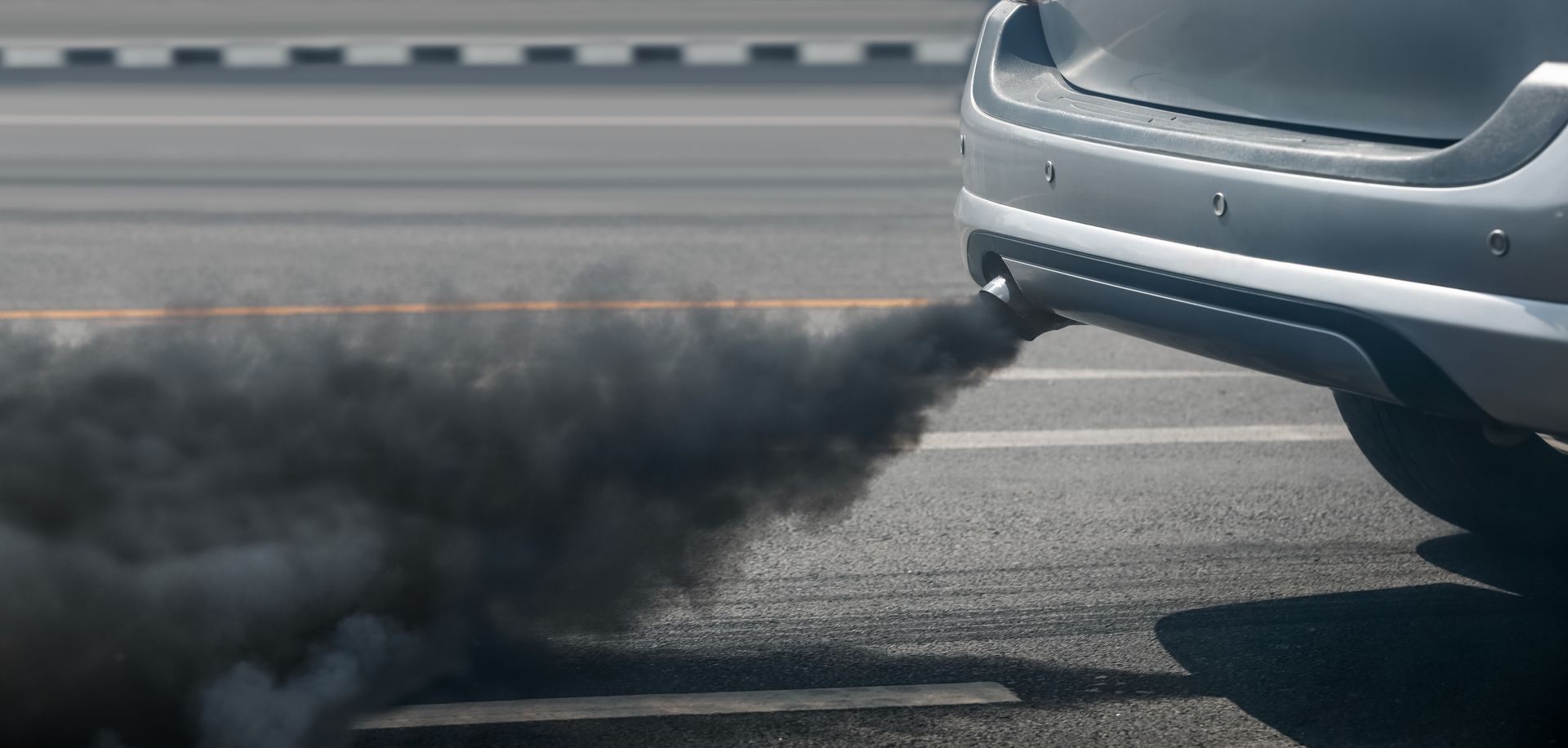
Steam, smoke, a strong burning smell, or fluid reaching a hot exhaust part also deserves immediate attention. Continuing to drive with low oil can damage the engine, while low coolant can lead to overheating. Low transmission fluid can reduce hydraulic pressure and damage internal clutches and bearings.
Why Regular Fluid Checks Are Important
A slow leak may not create a large puddle because fluid can collect on covers or burn off on hot surfaces. Checking levels during regular maintenance can reveal a gradual loss before a warning light or major symptom appears.
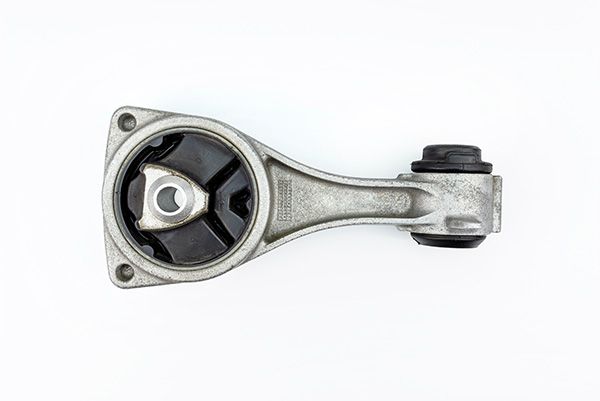
An inspection should include seals, hoses, fittings, pans, reservoirs, and nearby components that the leaking fluid may damage. Repairing the source early can protect belts, mounts, wiring, and other rubber parts from contamination.
Get Automotive Fluid Leak Diagnostics In Broomfield, CO, With Stang Auto Tech
If you find an oily spot, colored puddle, burning smell, or dropping fluid level, Stang Auto Tech in Broomfield, CO, can identify whether the vehicle is leaking oil, coolant, transmission fluid, or another automotive fluid.