Camping trips have a way of making every vehicle feel smaller than it did the week before. You start with the basics, then add sleeping bags, coolers, folding chairs, food, firewood, a tent, hiking gear, extra shoes, a camp stove, and somehow a few “just in case” items that seemed harmless at the time. Before long, the back of the car is packed to the roof, the rear suspension looks lower than usual, and you start wondering whether your vehicle is actually okay with all that weight.
At our shop, we hear this question a lot around travel season, and it is a smart one to ask. Most drivers know not to overload a vehicle on purpose, but many are not exactly sure where the line is. It is easy to assume that if everything fits, it must be fine. The problem is that cargo space and weight capacity are not the same thing. Just because your car can physically hold all the gear does not mean it should.
The good news is that figuring out how much weight your car can safely carry is not as complicated as it sounds. Once you know where to look and what the numbers mean, it gets a lot easier to plan a camping trip without pushing your vehicle past what it was built to handle.
Why Vehicle Weight Limits Matter
This is not just about whether the car feels a little sluggish. Extra weight affects how your vehicle brakes, handles, accelerates, and rides. It also changes how the suspension and tires are working, which matters even more if you are driving long distances, heading into the mountains, or dealing with rougher roads on the way to a campsite.
When a vehicle is overloaded, a few things can happen:
- Braking distances increase
- Tires run hotter and wear faster
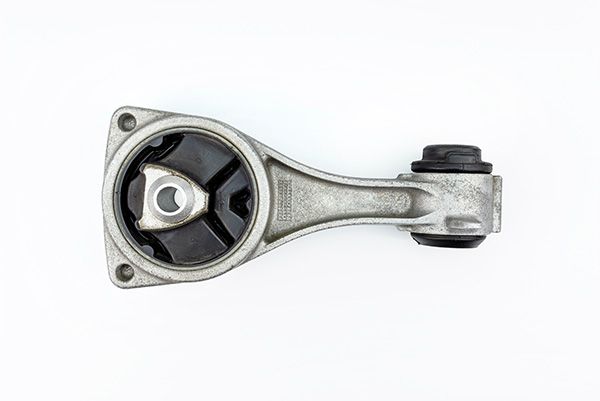
- Suspension components are put under extra stress
- Steering can feel less stable
- Ground clearance may drop
- Headlights may aim higher due to rear-end sag
Those are real safety issues, not just comfort issues. So yes, the amount of extra weight in your car matters more than a lot of people think.
The Number You Need Is Your Payload Capacity
If you want to know how much extra weight your car can safely carry, the most important number is the payload capacity.
Payload is the total amount of weight your vehicle can carry inside it and on it. That includes:
- Passengers
- Camping gear
- Food and water
- Pets
- Roof rack cargo
- Anything else added to the vehicle that was not part of its original empty weight
A lot of drivers assume payload just means luggage in the trunk, but it is much broader than that. If your friend climbs into the passenger seat with a full backpack and your dog jumps in the back, all of that counts.
Where To Find Your Vehicle’s Weight Information
The easiest place to start is the sticker on the driver’s door jamb. On many vehicles, you will find a label that says something like:
The combined weight of occupants and cargo should never exceed...
That number is your best quick reference. It tells you how much total passenger and cargo weight the vehicle can safely handle.
You may also see other weight ratings there or in your owner’s manual, including:
- GVWR (Gross Vehicle Weight Rating): the maximum your fully loaded vehicle is allowed to weigh
- GAWR (Gross Axle Weight Rating): the maximum weight each axle can safely support
- Tire load information: how much your tires are rated to carry at proper inflation
For most camping-trip planning, the payload number is the most practical starting point.
How To Figure Out What You Can Still Add
Once you know your payload capacity, the next step is simple: subtract the weight of everything already going into the vehicle.
That includes more than people sometimes realize. Let’s say your sticker says the vehicle can carry 900 pounds of combined passengers and cargo.
Now subtract:
- Driver: 180 pounds
- Front passenger: 150 pounds
- Two kids in the back: 140 pounds combined
- Dog: 50 pounds
That already brings you to 520 pounds.
Now subtract your gear:
- Cooler: 40 pounds
- Tent and sleeping bags: 35 pounds
- Camp chairs: 20 pounds
- Food bin: 25 pounds
- Water and drinks: 50 pounds
- Cooking gear: 20 pounds
- Clothing bags and miscellaneous gear: 60 pounds
That adds another 250 pounds, bringing the total to 770 pounds.
In that example, you would have about 130 pounds of remaining payload before hitting the limit.
That is how you figure it out in real-world terms. It is not about guessing whether the car “feels okay.” It is about adding up people and gear honestly.
Do Not Forget Roof Cargo Counts Too
This is a big one for camping trips. A lot of people move gear to a roof box or roof basket and assume that weight no longer matters because it is not inside the cabin. It absolutely still counts against payload.
Roof cargo also creates a second issue: it raises the vehicle’s center of gravity. That can affect handling, especially in turns, crosswinds, and emergency maneuvers.
If you are using the roof for extra gear, make sure you check:
- The vehicle’s roof load limit
- The rack system’s weight limit
- The added weight of the box or basket itself
And remember that weight still counts as part of the total load your car is carrying.
Water Is Heavier Than People Expect
Camping gear has a way of sneaking up on you, but water is one of the most common hidden heavy items. A gallon of water weighs about 8.3 pounds, so if you bring several gallons for drinking, cooking, or washing up, that adds up quickly.
Coolers are another sneaky source of weight because it is not just the cooler itself. It is the ice, drinks, food, and containers inside it.
This is why we often tell people to actually weigh or estimate the heaviest items instead of guessing. You may be surprised by what is eating into your payload the fastest.
Tire Pressure Matters More With Extra Load
If you are carrying more weight than usual, your tires need to be in good condition and inflated correctly.
Underinflated tires are already a problem in normal driving. Add a fully packed camping load, and they become even more vulnerable to overheating, poor wear, and reduced stability.
Before a camping trip, it is smart to check:
- Tire pressure when the tires are cold
- Tread depth and overall condition
- Signs of sidewall cracking or age
- Whether the spare tire is usable and properly inflated
A loaded-down car puts more demand on the tires, so this is not the moment to ignore them.
Signs Your Car May Be Carrying Too Much
Sometimes drivers do not calculate the weight but start noticing clues that the vehicle is carrying more than it should. A few warning signs include:
- The rear of the vehicle is sagging noticeably
- Steering feels lighter or less precise
- Braking feels slower
- The car bottoms out more easily
- Tire sidewalls look more compressed than usual
- Headlights aim upward more than normal at night
These signs do not automatically mean you are over the official limit, but they do suggest the vehicle is under real strain and should be evaluated carefully.
The Best Way To Stay On The Safe Side
The safest approach is to know your payload number, add up your people and gear honestly, and leave yourself some margin instead of treating the maximum as a target. If you are close to the limit, look for ways to lighten the load.
That may mean:
- Packing less water and buying some closer to your destination
- Removing unnecessary gear
- Avoiding duplicate items
- Taking a second vehicle for larger group trips
- Being realistic about what you will actually use
A Quick Pre-Trip Inspection Is Worth It
Even if your weight calculations check out, a vehicle carrying a full camping load benefits from a
pre-trip inspection. Brakes, tires, suspension, battery, cooling system, and fluid levels all matter more when the car is working harder than usual.
At
Stang Auto Tech in Broomfield, CO, we would much rather help you get ready before the trip than see you afterward with worn tires, overheated brakes, or suspension problems from a load the vehicle was struggling to manage. Call us today or stop by to schedule your pre-trip inspection