Motor mounts and transmission mounts do not get much attention until they start acting up. The tricky part is that mount wear can feel like a bunch of different problems, a harsh shift, a clunk, a rattle, or a new vibration that was not there last month.
If you know what to look for, you can catch mount issues before they start stressing other parts around the drivetrain.
What Motor And Transmission Mounts Actually Do
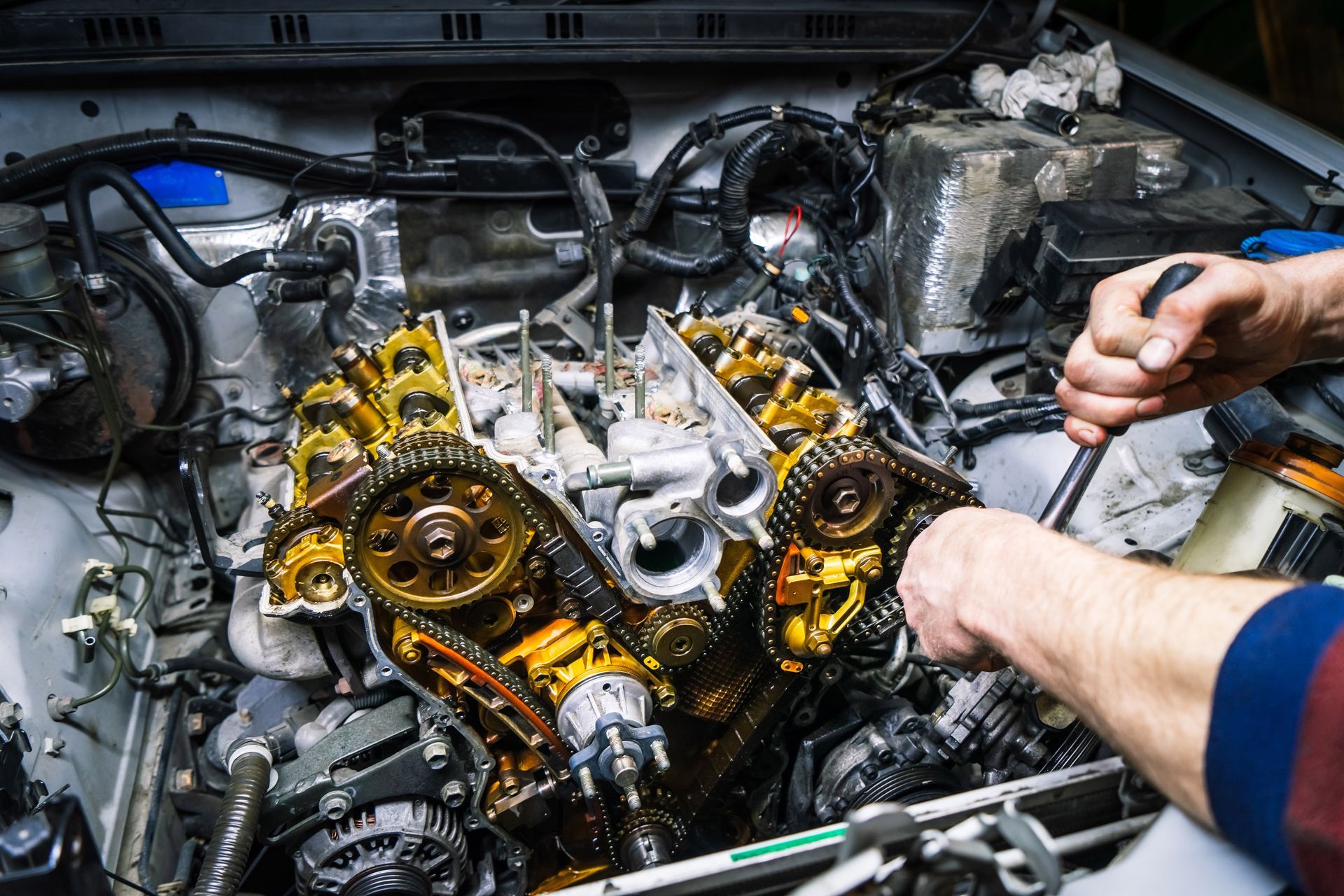
Mounts hold the engine and transmission in place while allowing controlled movement. The engine makes torque, which tries to twist the drivetrain every time you accelerate, shift, or climb a hill. The mounts limit that motion so the drivetrain does not slam around under load.
Most mounts use rubber to absorb vibration, and some are hydraulic, meaning they have fluid inside to soften harshness. As the rubber ages or the fluid leaks out, the mount loses its ability to cushion movement. That is when you start feeling more vibration and hearing more clunks than you used to.
Signs Your Mounts Are Wearing Out
One of the most common signs is a clunk when shifting into Drive or Reverse. You might also feel a thump when you accelerate from a stop, then another thump when you let off the gas. That is the drivetrain rocking farther than it should and hitting its limits.
Excess vibration at idle is another clue, especially if it is worse when the engine is cold or when the A/C is on. Some drivers describe it as a buzzing in the steering wheel or a shake in the seat. If the vibration improves when you raise RPM slightly, that can still be mounts, because the engine is no longer sitting at the same resonance point.
What Makes Mounts Fail Faster
Age and heat do most of the damage. Rubber hardens and cracks after years of heat cycling, and hydraulic mounts can leak, leaving them weak even if they look fine from above. Short trips can also be tough on mounts because the engine goes through more start-stop cycles and torque transitions.
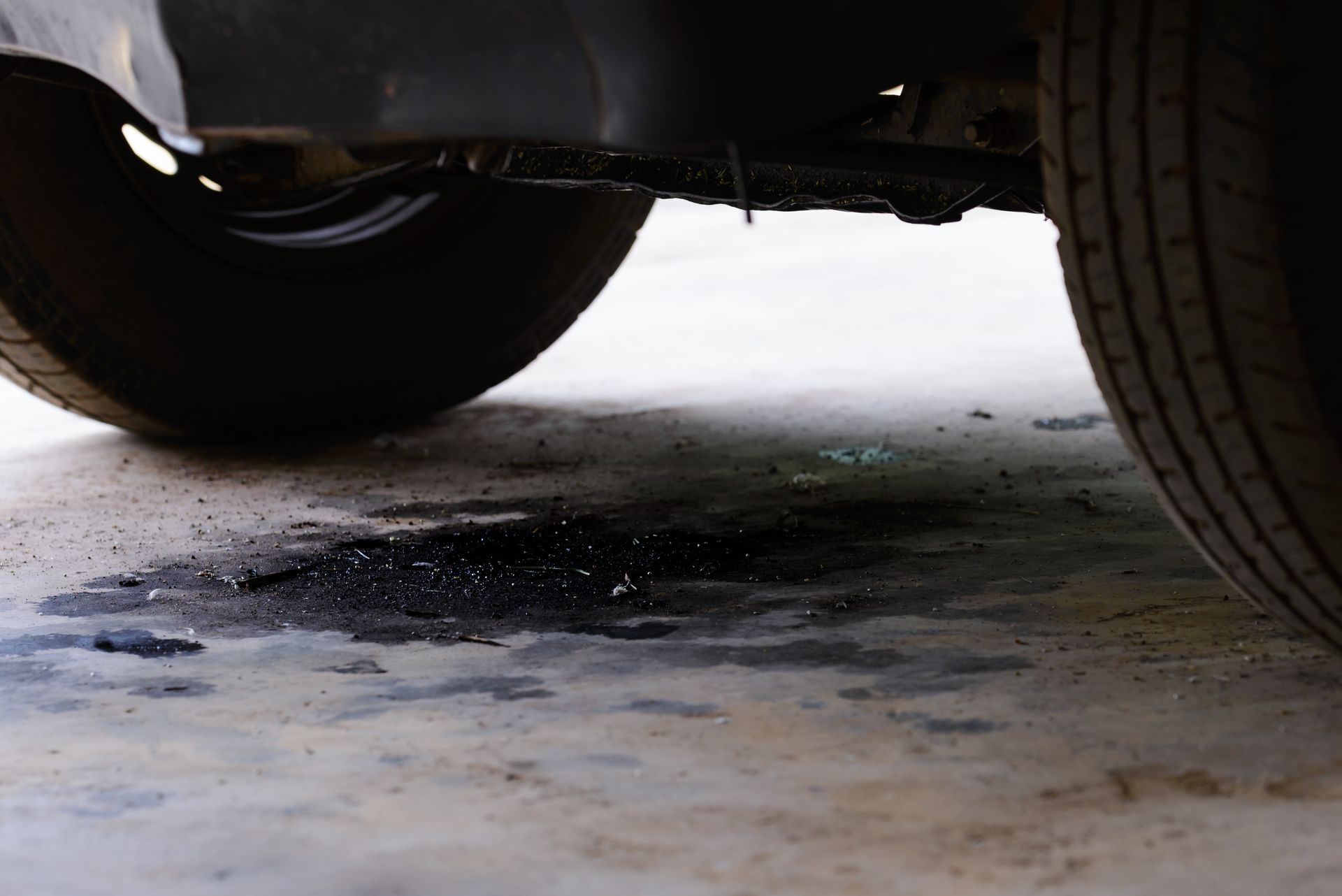
Fluid leaks matter here too. Oil and power steering fluid can soak into rubber and cause it to soften and separate. If you have a small leak that has been ignored, it might be quietly shortening mount life and making the vehicle feel rougher than it should.
Why Worn Mounts Can Create Other Problems
When mounts are weak, the drivetrain can shift enough to stress nearby parts. Exhaust flex sections can crack, heat shields can start rattling, and hoses or wiring can get pulled or rubbed. The vehicle might develop noises that sound like suspension problems, even though the source is drivetrain movement.
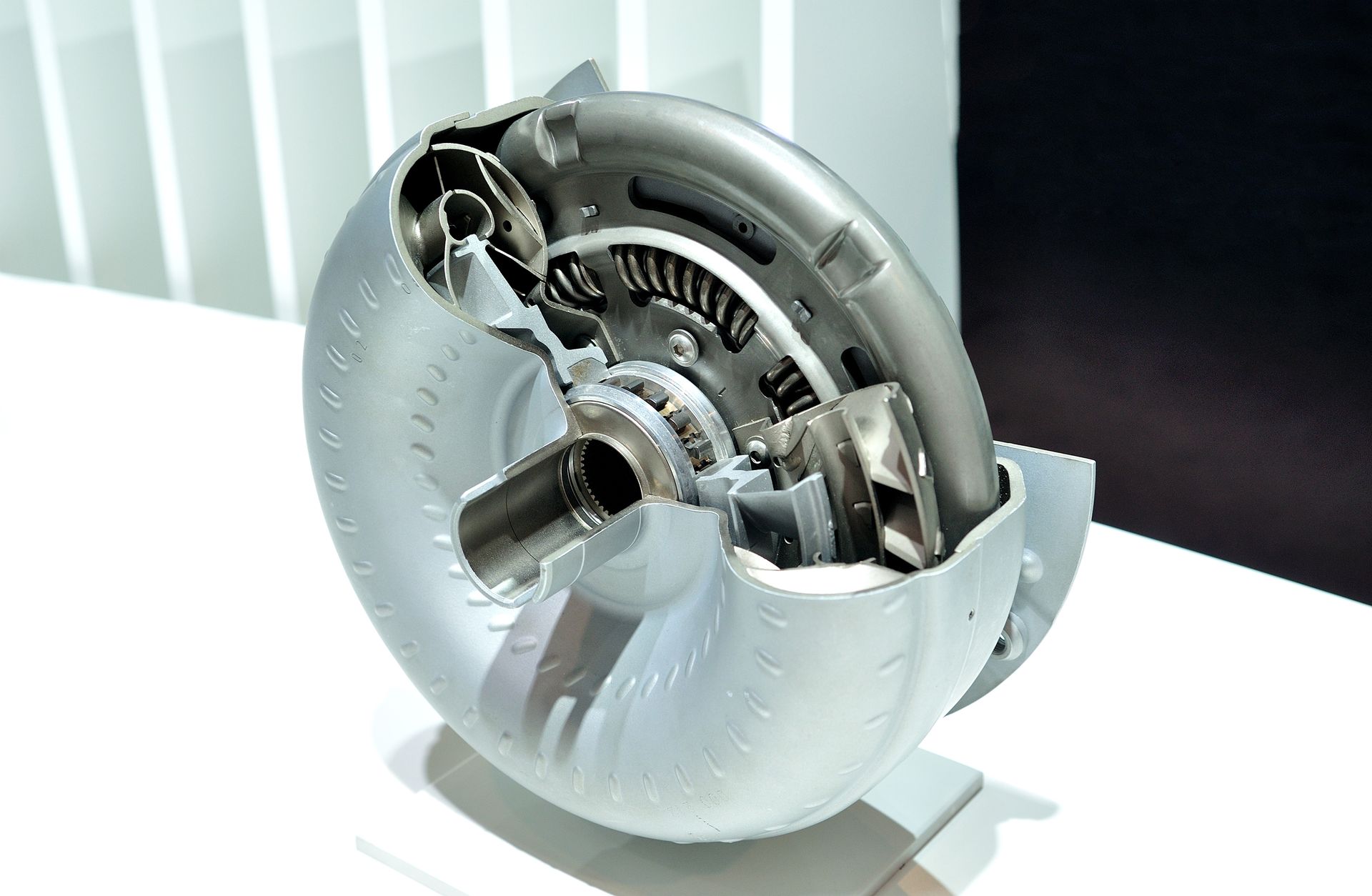
Mount wear can also make shifts feel harsher than they really are. The transmission may be changing gears normally, but the drivetrain rocks during the shift and makes it feel like a bump. We have seen drivers worry about a transmission issue when the real fix was securing the drivetrain with healthy mounts.
How Mount Issues Are Confirmed
The goal is to confirm whether the mount is torn, collapsed, or allowing too much movement. A technician will look for cracked rubber, separated bonding, or leaking fluid on hydraulic mounts. Controlled load checks can also reveal excessive engine movement that you may not notice from the driver’s seat.
A careful inspection also checks for secondary clues, like shiny rub marks where parts have been touching or heat shields that are getting bumped. That matters because mounts can fail in a way that creates two symptoms at once, like a clunk plus an exhaust rattle. Confirming the real cause keeps you from replacing parts that were never the problem.
Simple Habits That Help Mounts Last
You cannot prevent all mount wear, but you can slow it down. Avoiding repeated hard launches helps because that is when mounts see the biggest torque hit. Fixing fluid leaks early also protects rubber parts that were never meant to live in oil.
It also helps to stay on top of regular maintenance so the engine is not vibrating more than it should due to ignition or idle issues. If you notice a new clunk on takeoff, a harsh bump during shifts, or a sudden increase in vibration, schedule service sooner rather than adapting to it. Early mount replacement is usually far cheaper than dealing with the damage caused by a drivetrain that is moving around too much.
Get Motor Mount Replacement In Broomfield, CO, With Stang Auto Tech
If you’re feeling new clunks on takeoff, vibration at idle, or harsh bumps during shifts, the next step is to book service so worn mounts can be replaced before they start stressing exhaust, hoses, and drivetrain components.
Schedule service with
Stang Auto Tech in Broomfield, CO, to get the drivetrain secured again and keep your vehicle feeling solid every time you accelerate, brake, or shift.