A car that is only used for quick errands can seem like it is living an easy life. It is not racking up huge mileage, it stays close to home, and it rarely gets pushed hard on the highway. From the outside, that sounds gentler than long commutes or road trips.
In reality, short-trip driving is much harder on a vehicle than people expect.
Why Short Trips Are Harder Than They Look
Most engine wear happens before the vehicle is fully warmed up. On a short trip, the oil, coolant, battery, transmission, and exhaust system may never reach the temperatures they need to work at their best. That leaves the car doing its hardest work during the least efficient part of the drive, over and over again.
This is where people get misled. A car that only goes a few miles at a time may look like it is being spared, but it is actually spending a lot of its life in warm-up mode. That repeated cycle creates more internal stress than many drivers realize.
Oil Dilution And Moisture Build Up Faster
When an engine is cold, fuel does not burn as cleanly as it does once everything is up to temperature. A little extra fuel and condensation can work their way into the oil during startup and early driving. On a longer drive, heat usually burns that off. On constant short trips, it has less chance to clear out.
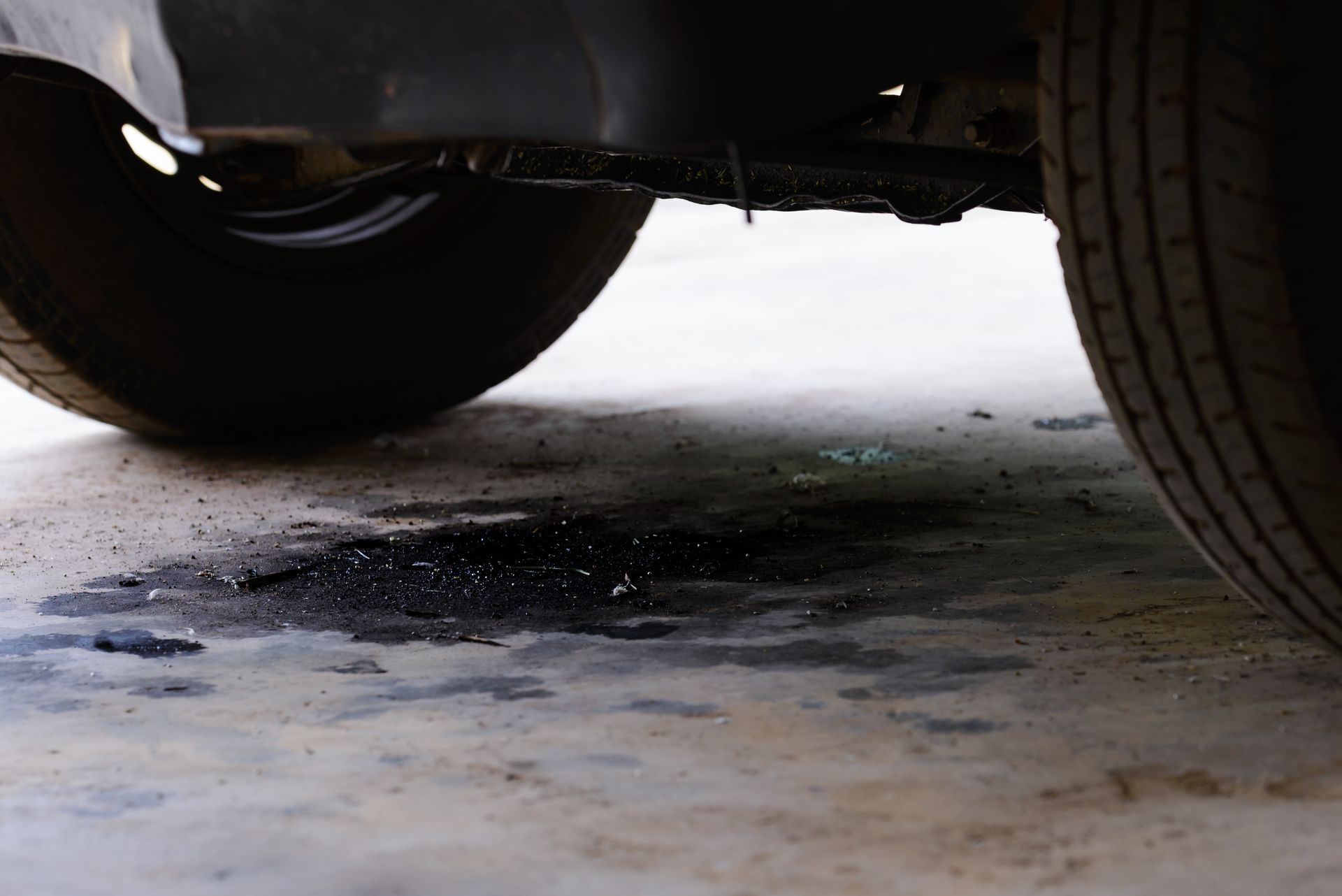
That is one reason oil gets contaminated faster in a vehicle that only sees quick drives. Moisture stays in the crankcase longer, fuel dilution becomes more of an issue, and the oil has a tougher time protecting the engine the way it should. We see this quite a bit on lower-mileage vehicles that look fine on paper but have more internal buildup than expected.
The Battery, Exhaust, And Engine Do Not Catch Up
Short-trip driving is tough on the battery as well. Starting the engine takes a big shot of power, and the alternator needs enough drive time to replace it. If the vehicle is shut off again before that charge is fully restored, the battery gradually falls behind. That is why cars used only for short runs often end up with weak batteries sooner than drivers expect.
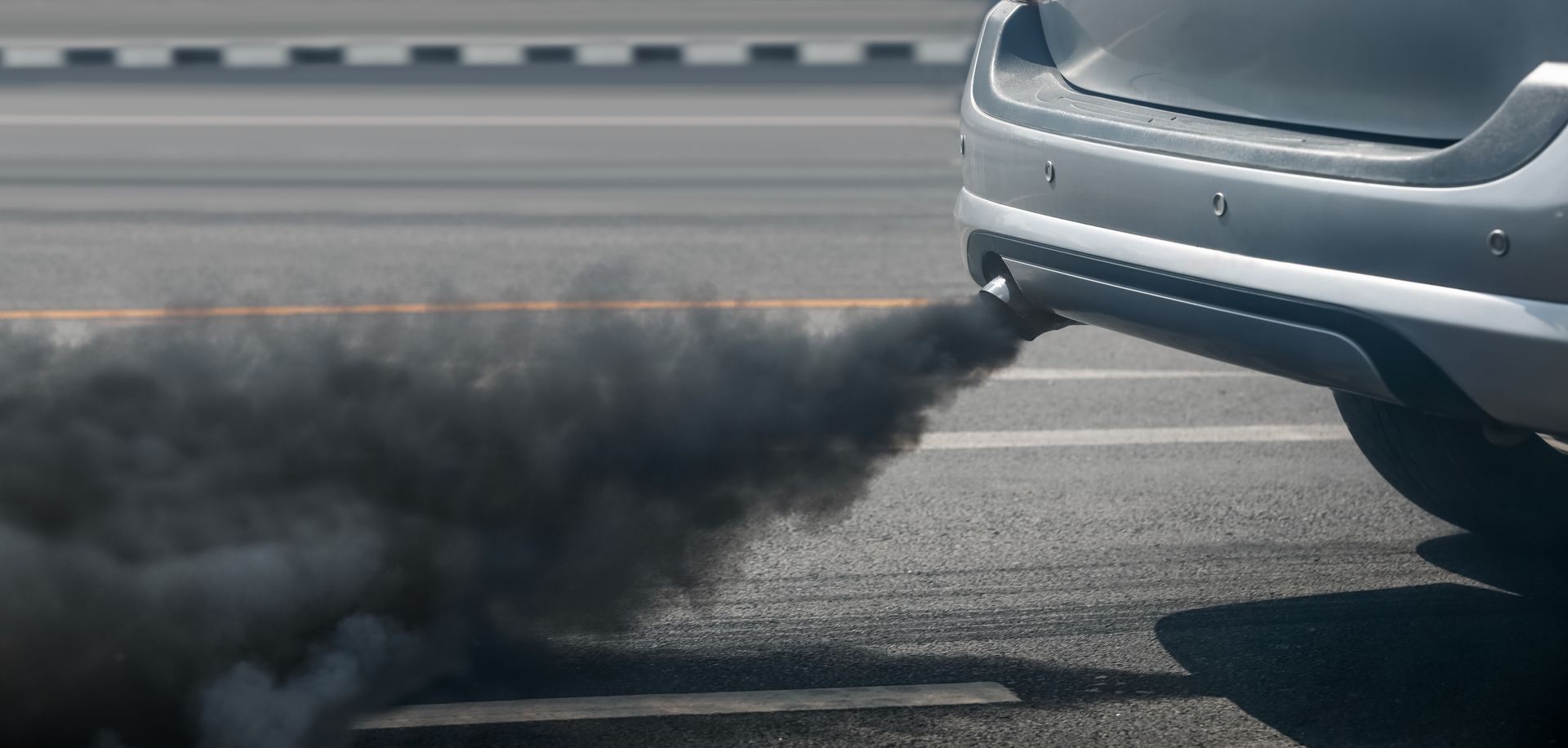
The exhaust system suffers in its own way. Moisture builds up inside it during startup, and if the system does not get hot enough for long enough, that moisture lingers. Over time, that can contribute to internal rust and shorten exhaust component life. The engine itself may begin collecting more carbon deposits because it keeps spending so much time in colder, richer-running conditions.
What Wears Faster On A City Car
A vehicle that sees repeated short drives tends to show a certain pattern of wear. The mileage may stay low, but the condition can still slip faster than the odometer suggests.
Common trouble spots include:
- Faster battery wear from repeated starts and incomplete recharging
- More moisture and fuel contamination in the engine oil
- Greater carbon buildup in the engine and fuel system
- More exhaust system moisture and internal corrosion
This is exactly why two cars with similar mileage, when compared, can be in very different shape. The one who does longer, steady drives ages better than the one who does only quick local trips.
Why Newer Cars Are Not Immune
Modern cars are smarter, but they are not immune to short-trip wear. Direct injection engines, turbocharged engines, emissions systems, and stop-start technology all depend on parts reaching proper temperature and operating in a stable range. When the vehicle is constantly shut off before it gets there, the wear pattern does not disappear just because the car is newer.
That is why a lower-mile vehicle can still need attention sooner than the owner expects. On the surface, it seems like the car has been used lightly. A closer inspection often tells a different story when short-trip use has been the norm for years.
How To Be Easier On A Car That Mostly Does Short Trips
You do not need to stop using your car for short drives. You just need to be realistic about what that driving pattern does and stay ahead of it. A longer drive every so often helps the vehicle fully warm up and burn off moisture. Keeping oil changes on time is important, even if the mileage is low.
Battery checks help too, especially if the vehicle sits between short trips. If the car spends most of its life doing errands, regular maintenance becomes even more important because the wear is happening in a quieter way. That kind of use deserves more attention, not less.
Get Preventive Maintenance In Broomfield, CO, With Stang Auto Tech
If your vehicle spends most of its time on short drives, Stang Auto Tech in Broomfield, CO, can help you stay ahead of the wear with the right service schedule and an inspection that catches early trouble before it turns into bigger repairs.
Bring it in before short-trip driving quietly ages the car faster than it should.