A lot of drivers book service when something feels wrong, a noise pops up, a warning light appears on the dashboard, or a road trip is coming up fast. The tricky part is that many safety-related problems do not announce themselves in a dramatic way. They build slowly through potholes, heat cycles, wet roads, and day-to-day stop-and-go driving.
A yearly safety inspection is a simple way to check the parts that help you steer, stop, and see clearly when the unexpected happens.
Safety Issues Often Start As Subtle Changes
A vehicle can feel normal while key safety items quietly drift out of spec. Tires can lose grip long before they look worn out to the average eye, especially if they are wearing unevenly. Brake pads can get thin without squealing yet, and a soft pedal might only show up during a harder stop. Steering and suspension parts can also develop small amounts of play that you barely notice until you hit a bump mid-turn and the car feels a little vague.
That is the main value of an annual inspection, it catches gradual changes before they turn into an unpleasant surprise.
What A Yearly Safety Inspection Covers
A real safety inspection is not just a quick glance under the hood. It is a methodical check for wear, looseness, leaks, and visibility issues that can affect control and stopping distance. While every shop has its own checklist, these are common areas a thorough inspection will cover:
- Brakes And Brake Hydraulics: Pad and rotor condition, caliper hardware, and signs of fluid leaks. A small seep can become a longer pedal over time.
- Tires And Wheels: Tread depth, tire age cracking, sidewall damage, and uneven wear patterns that hint at alignment or suspension concerns.
- Steering And Suspension: Tie rods, ball joints, control arm bushings, wheel bearings, and shocks or struts for looseness and wear.
- Lights And Visibility Items: Headlights, brake lights, turn signals, wipers, and washer spray, because bad visibility is a safety problem on its own.
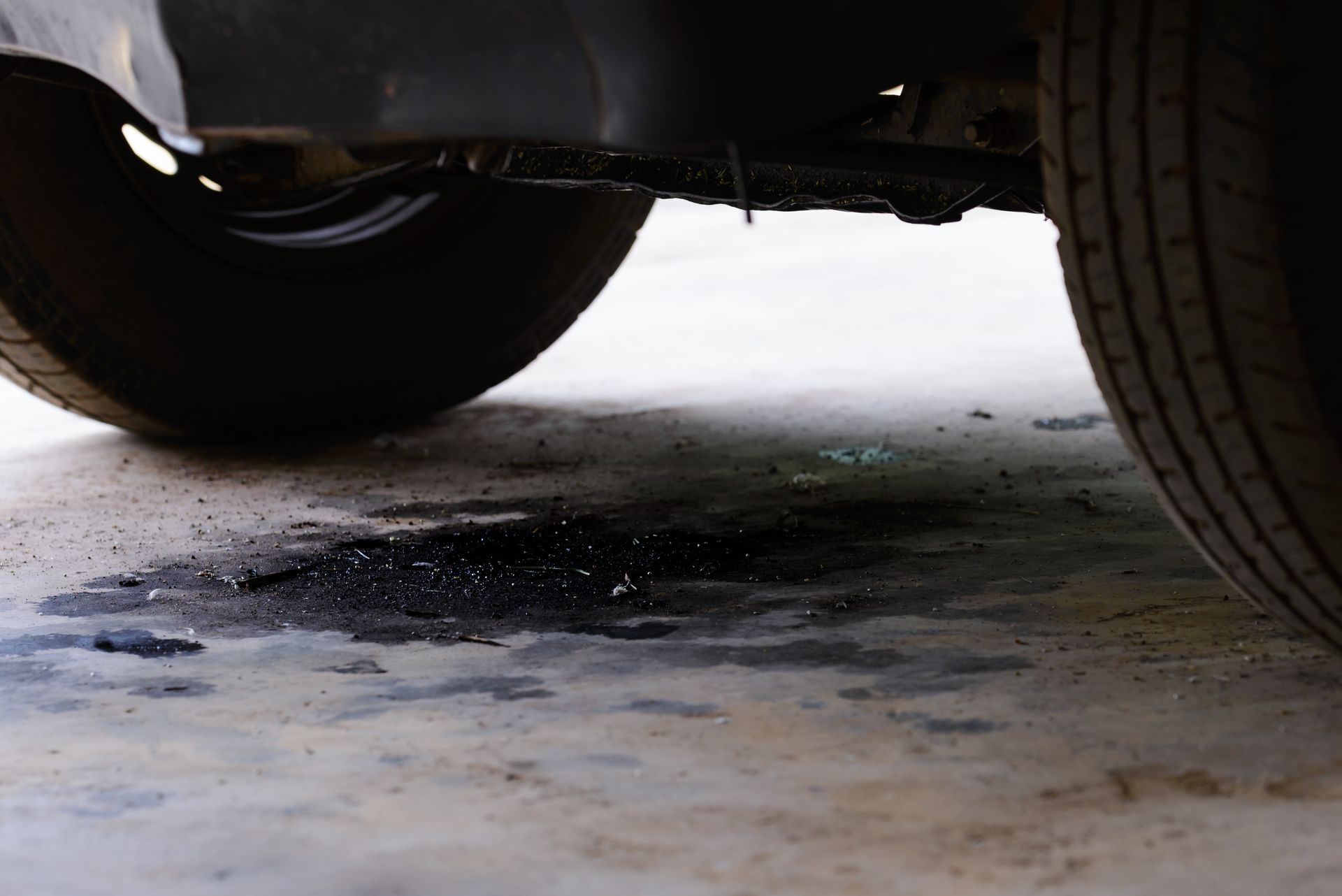
- Leaks And Undercarriage Issues: Oil, coolant, power steering fluid, and exhaust concerns, plus anything hanging, rubbing, or damaged underneath.
The goal is to spot wear patterns early, not to create a long list of scary surprises.
Symptom Timeline: From Minor Clues To Real Risk
Many safety issues follow a predictable timeline. First, you notice a tiny change that comes and goes, maybe a faint vibration at highway speed or a brake pedal that feels slightly different on cold mornings. Next, the symptom becomes repeatable, like a steering wheel shimmy every time you reach a certain speed, or a pull to one side on straight roads. After that, you may start adjusting your habits without realizing it, leaving extra following distance or braking earlier because the vehicle does not feel quite the same.
By the time you are compensating, the problem is already affecting your margin for error.
Owner Habits That Quietly Delay Repairs
One common habit is treating the absence of a warning light as proof that everything is fine. Many safety items wear out without ever turning on a dashboard light, especially mechanical parts like suspension joints, brake hardware, and wheel bearings. Another delay happens when drivers wait for a loud noise, because the early, cheaper stage often sounds like nothing at all. It is also easy to keep rotating tires and hoping a vibration disappears, when the real cause is alignment or a worn part that is letting the tire wear unevenly.
Putting eyes on the vehicle once a year helps prevent those slow-motion situations where a small issue becomes your new normal.
A Simple Timing Guide For Booking An Inspection
Yearly is a great baseline, but there are times when you should book sooner. If you just bought a used vehicle, an early safety inspection gives you a clean starting point so you know what you actually have. If you hit a pothole hard or bump a curb, do not wait too long, because alignment and suspension issues can chew through tires faster than most people expect. If the braking feel changes, the car starts pulling, or you notice a burning smell after driving, it is smart to schedule a check before it escalates.
You are not trying to panic, you are just making a calm decision based on what the car is telling you.
Getting More Value From The Appointment
Show up with a couple of notes, even if they seem minor. Jot down when you notice something, like only on the first stop of the day, only after rain, or only around 65 mph. Mention any recent tire replacements, battery work, or a warning light that came and went, because patterns matter. It also helps to be honest about driving conditions like short trips, heavy commuting, towing, or lots of hills, since that changes how quickly brakes, tires, and suspension parts wear.
A little context up front often leads to a clearer plan and fewer wasted repairs.
Get Vehicle Safety Inspection in Broomfield, CO with Stang Auto Tech
We can perform a yearly safety inspection, explain what we find in plain language, and help you prioritize what truly needs attention now versus what can wait a bit. We are also happy to point out wear patterns that may suggest an underlying cause, so you are not fixing the same issue twice.
Call
Stang Auto Tech
or schedule a visit so you can drive with more confidence all year.