An automatic transmission has to do something a manual transmission does with a clutch: let the engine keep running while the vehicle is stopped, then reconnect power smoothly when you press the gas.
That job belongs to the torque converter.
Most drivers only hear about it when the car starts shuddering, slipping, overheating, or hesitating at a stop. Until then, the torque converter quietly connects the engine to the transmission, helping the vehicle move without stalling or jolting whenever traffic stops.
The Torque Converter Connects The Engine And Transmission
The torque converter sits between the engine and the automatic transmission. Its job is to transfer engine power to the transmission using transmission fluid rather than a solid clutch connection.
When the engine runs, it spins part of the torque converter. That movement pushes fluid inside the converter, which then helps turn the transmission input. Because the connection is fluid-based, the engine can keep running while the vehicle is stopped in gear.
Without that fluid coupling, the engine would stall at every stoplight unless the driver manually disconnected it, the way a clutch pedal does in a manual vehicle.
It Helps The Car Move From A Stop
One of the torque converter’s most important jobs is helping the vehicle take off smoothly. When you press the gas from a stop, the converter helps multiply torque for a short period. That extra force helps the car begin moving before the transmission settles into normal operation.
This is why an automatic vehicle can creep forward when you release the brake. The torque converter is already transferring a small amount of power even before you press the accelerator.
If the converter is weak or not transferring power correctly, the vehicle may feel lazy from a stop, hesitate, or let the RPM rise before the car catches up. Those symptoms can also come from other transmission issues, so testing matters before assuming the converter is the failed part.
It Uses Transmission Fluid To Transfer Power
Transmission fluid is a major part of the torque converter operation. It does more than lubricate parts. It moves power, helps control heat, supports hydraulic pressure, and allows internal components to work correctly.
Old, low, burnt, or contaminated fluid can change how the converter behaves. The vehicle may shudder, slip, shift harshly, or run hotter than normal. A burnt smell from the fluid is a warning that heat has been part of the problem.
Regular maintenance helps because a fluid condition can reveal early trouble. If the fluid is dark, smells burnt, or the level is low, the transmission and torque converter need a closer look before the complaint gets worse.
The Lockup Clutch Improves Efficiency
Many torque converters have a lockup clutch inside. At certain speeds, this clutch creates a more direct connection between the engine and transmission. That reduces wasted energy, improves fuel economy, and better controls transmission temperatures.
When the lockup clutch works correctly, most drivers never notice it. When it starts slipping, chattering, or applying at the wrong time, the car may shudder at a steady speed. Some drivers describe it as a light vibration, almost like driving over rumble strips for a second.
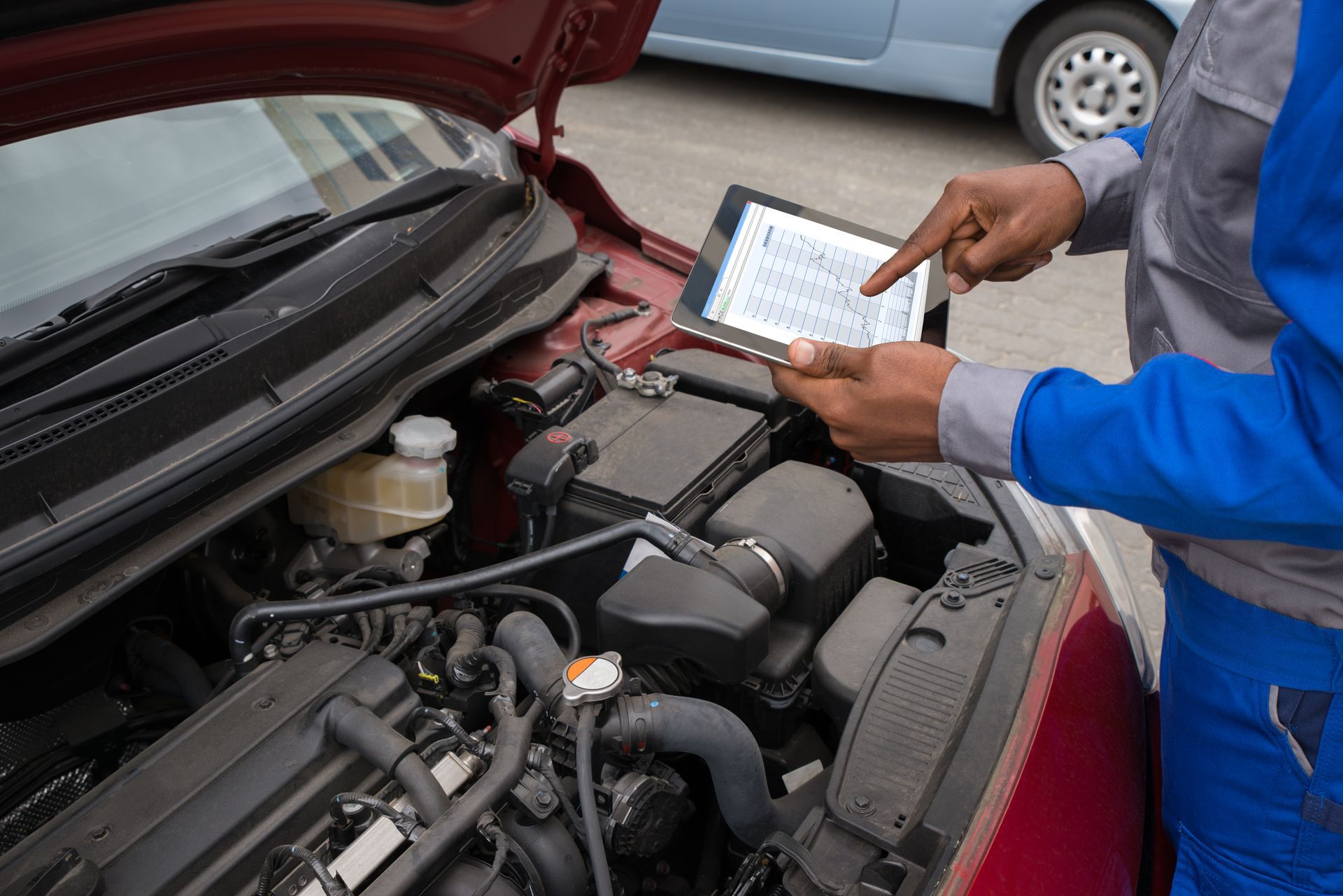
That symptom can feel like an engine misfire, tire vibration, or general transmission trouble. A proper inspection can compare engine data, transmission data, fluid condition, and road-test behavior to see where the shudder is coming from.
Torque Converter Problems Can Feel Like Transmission Problems
A bad torque converter can make the entire transmission feel wrong. You may notice delayed engagement when shifting into drive or reverse, slipping during acceleration, shuddering at cruising speed, overheating, or RPM changes that do not match vehicle speed.
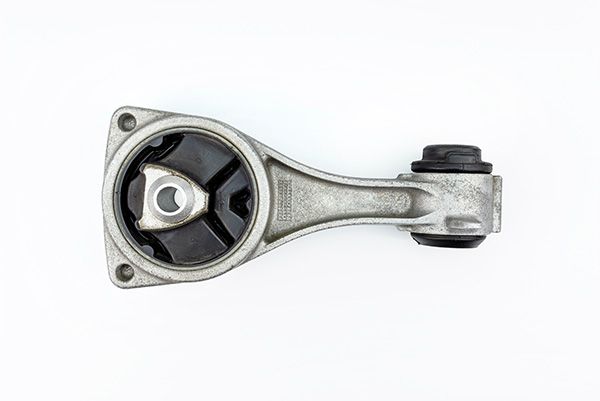
Those symptoms do not always mean the converter itself is bad. A valve body issue, solenoid problem, worn clutch pack, low fluid level, engine misfire, bad mount, or driveline problem can create similar complaints.
This is why transmission symptoms should not be diagnosed solely by feel. The system needs scan data, pressure checks when needed, fluid evaluation, and a road test that matches the driver’s complaint.
Heat Is One Of The Biggest Concerns
The torque converter creates and handles heat every time the vehicle moves. Towing, heavy traffic, hills, low fluid, old fluid, and slipping can all raise transmission temperature. Once heat builds too far, fluid breaks down faster, and internal wear can speed up.
A converter that slips too much can create extra heat. A transmission cooler problem can make that heat worse. If the vehicle has a transmission temperature warning, a burnt fluid smell, or shifting changes after driving for a while, the issue should be checked soon.
Heat damage is one of the reasons small transmission complaints can become expensive when ignored.
Get Torque Converter Service In Broomfield, CO, With Stang Auto Tech
If your automatic transmission shudders, slips, hesitates, overheats, or feels different from a stop, Stang Auto Tech in Broomfield, CO, can check the torque converter, transmission fluid, scan data, and related parts.