Have you ever wondered what makes your car move forward? It's not just about turning the key and stepping on the gas pedal. Your car has a complex system of parts that work together to make it go.
Below, we'll take a closer look at the drivetrain of your car and explain what each part does. We'll also talk about how to take care of your drivetrain so that your car can keep running smoothly. So, let's dive in and unravel the mystery behind this essential aspect of your vehicle!
Understanding Your Vehicle's Drivetrain
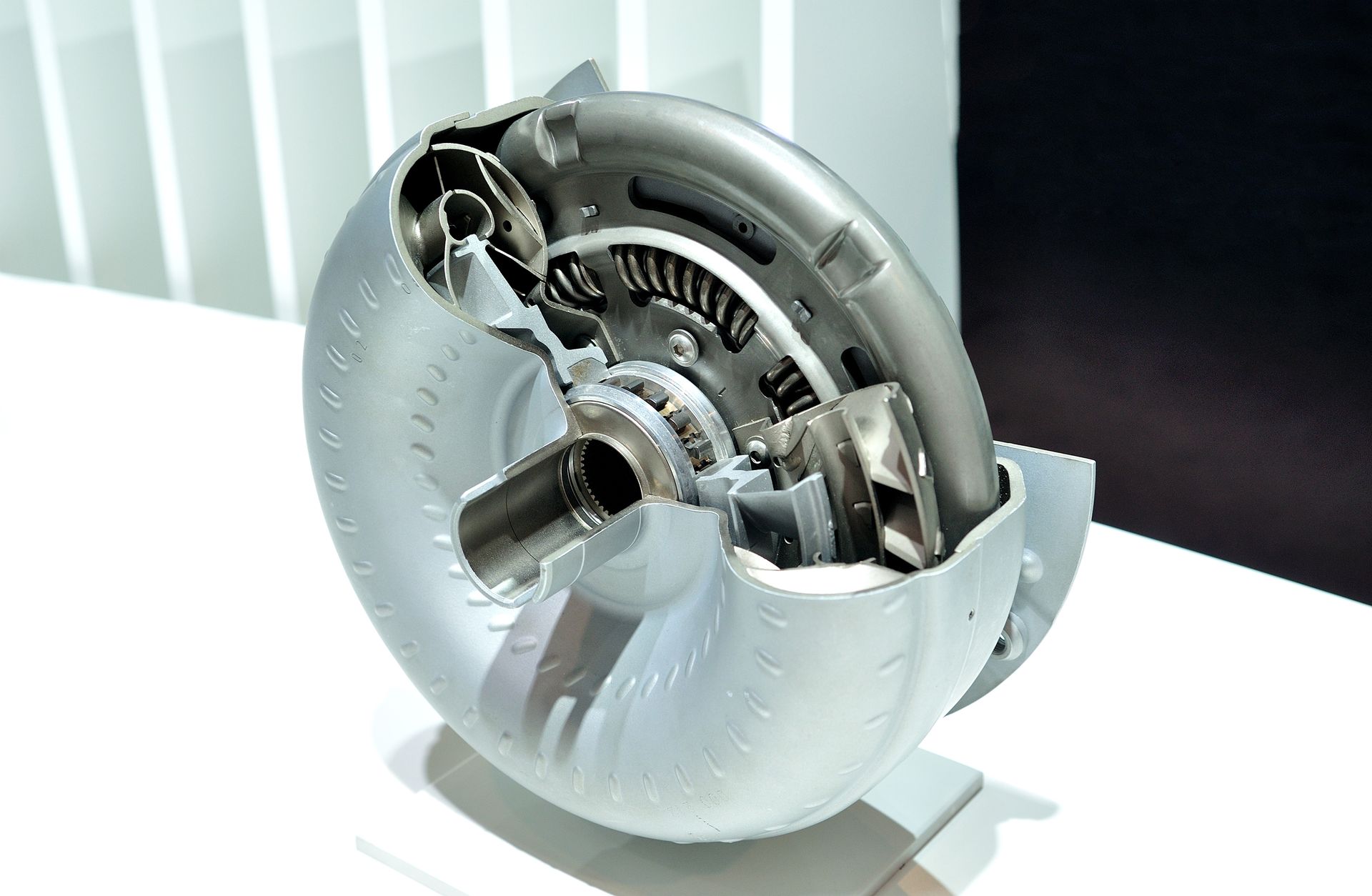
When it comes to your vehicle's drivetrain, it's important to understand the key components that make it all work together. The transmission is responsible for distributing power from the
engine to the wheels, optimizing power delivery. There are both automatic and manual transmissions, but they share the same goal.
The differential, located between the wheels, allows the wheels to rotate at different speeds, which is essential for smooth turns. Different types of differentials, such as open, limited-slip, and electronic differentials, cater to different driving needs.
The driveshaft serves as the connection between the transmission and the differential, transferring power to the wheels. Finally, the axles connect the wheels to the driveshaft and play a pivotal role in transmitting power and facilitating movement. By understanding these key components, you can better appreciate the mechanical marvel that is your vehicle's drivetrain.
The Drivetrains Function
The drivetrain in a vehicle is responsible for translating the power generated by the engine into motion and propelling the vehicle forward. Its primary functions include power transmission, torque distribution, adaptability, and speed regulation. The drivetrain ensures a seamless transfer of power from the engine to the wheels, allocating torque to maintain stability and enable smooth turns. It also adapts to different driving conditions, distributing power efficiently for optimal performance on various surfaces. Transmissions control the vehicle's speed by engaging different gears, offering a balance between power and
fuel efficiency .
Drivetrain Maintenance Essentials
Maintaining a healthy drivetrain ensures longevity and optimal performance:
- Fluid Checks: Regularly inspect transmission fluid levels and quality. Low or degraded fluid can lead to transmission issues.
- Differential Service: Periodically change the differential fluid to prevent wear and tear, ensuring smooth operation.
- Clutch Care (for Manual Transmissions): If your vehicle has a manual transmission, proper clutch maintenance, including adjustments and replacements, is crucial for smooth gear transitions.
- Axle Inspection: Check for any signs of damage or wear on the axles, addressing issues promptly to prevent further damage.
Frequently Asked Questions (FAQs)
Q1: How often should I change my transmission fluid?
It's recommended to change transmission fluid every 30,000 to 60,000 miles. However, consult your vehicle's manual for manufacturer-specific guidelines.
Q2: Can I drive with a failing differential?
While possible, driving with a failing differential can cause further damage and compromise safety. Addressing differential issues promptly is advisable.
Q3: What signs indicate drivetrain problems?
Symptoms like strange noises during acceleration, difficulty shifting gears, or vibration can indicate potential
drivetrain issues . Prompt diagnosis and repairs are essential to prevent further damage.
For expert drivetrain maintenance and repairs, call Stang Auto Tech , and we will be happy to help out! When it comes to anything vehicle-related, we are always here to assist!