A red battery-shaped symbol appears while you're driving, even though the engine started normally that morning. The warning's name makes it sound like the battery needs replacement, but the charging system is another likely concern. Problems with the alternator, drive belt, connections, or electronic controls affect the power available to your car. The light calls for a timely inspection because the vehicle risks losing electrical power and stalling.
What the Battery Warning Light Is Monitoring
The battery stores electrical energy needed for starting and supports the vehicle when the engine isn't running. After startup, the charging system supplies power for electronics and replenishes that reserve. On many vehicles, the battery warning illuminates when the charging system isn't operating as expected. It doesn't identify the defective component, and a new battery alone often won't turn the light off for long.
Some cars monitor charging voltage through a control module and adjust alternator output according to operating conditions. Others use different arrangements. We check the vehicle-specific system before interpreting one voltage reading. An inspection needs to consider the battery, cables, grounds, belt drive, and controls, not just the component pictured by the dashboard symbol.
A light that flickers and then disappears still provides a valuable clue. Intermittent charging problems sometimes worsen with heat, engine speed, or accessory load before they become constant.
A Failing Alternator Can Drain a Healthy Battery
An alternator converts engine rotation into electricity using internal windings, rectifiers, and regulating electronics. If its output drops below vehicle demand, the battery begins supplying energy normally provided by the charging system. Headlights sometimes dim, displays reset, or electrical accessories slow. The engine sometimes runs briefly, then loses enough power to stall or refuse to restart.
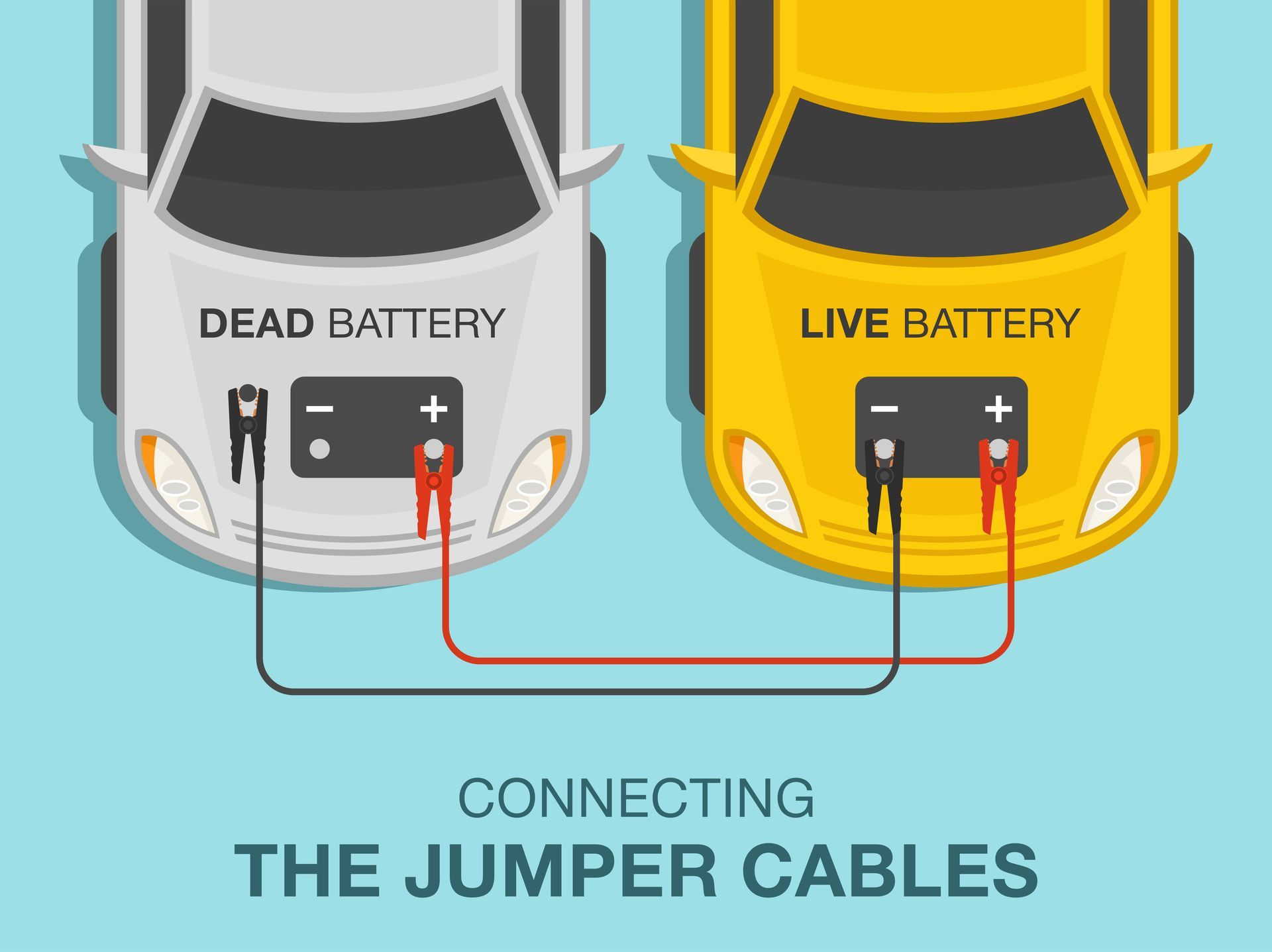
A jump-start sometimes gets you moving again, but it doesn't restore charging if the alternator has failed. Some alternators operate intermittently as they heat up or as electrical loads change. We test output and control behavior under the specified conditions. Replacing the battery without addressing the charging fault only postpones the next breakdown.
Drive Belt Problems Can Create the Same Warning
Many alternators are turned by a serpentine belt connected to the engine crankshaft. If that belt slips, breaks, or loses tension, charging output sometimes falls even though the alternator itself is functional. Belt tensioners, pulleys, and alignment all affect operation. A squeal, chirp, or sudden loss of other belt-driven accessories sometimes accompanies the battery warning.
On some engines, the same belt also drives a water pump or other important components. A broken belt therefore creates an overheating risk as well as a charging problem.
If the warning appears with rising engine temperature, stop safely and request help. During maintenance, a belt inspection needs to include the surrounding pulleys and tensioner, not just visible cracks in the belt material.
Loose Connections and Grounds Sometimes Fool the System
Corroded battery terminals, damaged charging cables, and poor ground straps create electrical resistance. Under heavy current, that resistance causes voltage loss and prevents adequate charging in severe cases. An apparently healthy alternator sometimes produces power that doesn't reach the rest of the vehicle properly. The problem sometimes gets worse after moisture exposure or a repair that disturbed an old connection.
A voltage-drop test checks the circuit while it's operating under load. That identifies problems a quick visual check misses. We inspect power and ground connections before recommending expensive components. A loose cable needs correct repair, while replacing the alternator without checking wiring risks leaving the same dashboard warning active.
A Weak Battery Can Complicate Charging Tests
An aging battery sometimes loses capacity and struggles to hold a charge. Repeated deep discharges often damage it over time, even when the original fault was elsewhere. A severely weak battery affects how some charging systems respond and sometimes produces confusing test results. That means the alternator and battery often need to be evaluated together, not as unrelated parts.
Did the warning appear shortly after a battery replacement? That timing helps guide inspection of the connections and vehicle-specific battery monitoring procedures. Some models require registration or configuration after replacement. We compare battery health with charging performance before deciding which repair is needed. A recently installed battery isn't proof that the rest of the electrical system is healthy.
What to Do When the Light Appears During Driving
If the battery warning illuminates, reduce unnecessary electrical loads where safe, and find a safe place to stop. Follow the owner's manual for your model. Don't assume the car will keep running for the remainder of the trip, especially at night or in poor weather when electrical demand is high. A sudden loss of steering assistance or other electrical functions is particularly serious.
Tell us about these clues:
- A battery warning while the engine runs
- Headlights dimming or displays flickering
- Belt squeal or accessory-drive noise
- Recent jump-starts or battery work
- An overheating warning appearing at the same time
If the vehicle loses power, stalls, or begins overheating, arrange towing. Repeated restarts don't correct the fault. A clear description helps the inspection focus on charging, connections, or belt-drive problems.
Confirm Reliable Charging Before Returning to Normal Use
After the confirmed fault is repaired, the battery needs to be adequately charged and tested. Installing a new alternator doesn't guarantee that a deeply discharged battery has fully recovered. The correct verification checks output, cable losses, warning-light behavior, and battery condition according to the vehicle's design. Complete any required battery-monitoring procedures.
Good maintenance includes checking the belt, battery terminals, and charging performance when symptoms arise. If the warning returns, keep the previous test results available for comparison. The aim is reliable electrical power and predictable starting, not simply switching off a dashboard symbol without confirming why it appeared.
Get Battery and Alternator Inspection in Broomfield, CO, With Stang Auto Tech
Stang Auto Tech in Broomfield, CO, investigates battery warning lights, alternator faults, drive belts, and electrical connections. We'll explain the inspection results and the recommended repair.
Call
Stang Auto Tech or schedule a charging-system inspection online today.