Posted on 11/28/2025
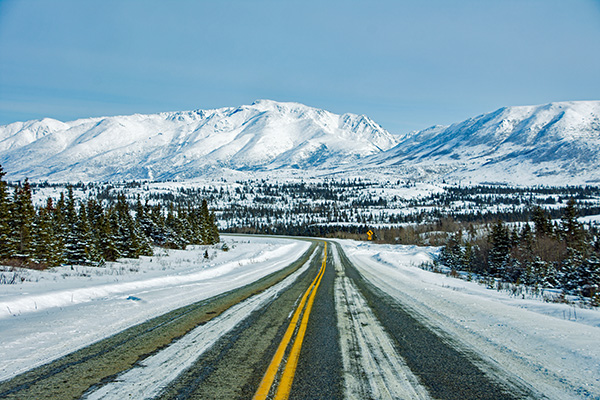
Mountain driving in winter is a different game. Grades are steeper, weather changes faster, and traction can shift from dry to polished ice in a single mile. The risks add up quickly if brakes are tired, tires are mismatched, or visibility drops. Use this guide to understand the hazards that catch drivers off guard and how to prepare your vehicle so those miles feel calm instead of tense. Why Mountain Winter Driving Is Different Elevation squeezes power from engines and reduces grip. Cold, dense air can hide patches of black ice, while shaded corners stay frozen long after sunny stretches have thawed. Wind funnels through canyons, pushing high-profile vehicles sideways. We often see issues start as something small, like a soft brake pedal or borderline tread depth, then snow and altitude magnify the problem. Rapid Temperature Swings Create Invisible Ice ... read more